Paul Werdel: The Quiet Architect of Modern Journalism and Partnership
In an era when media personalities dominate social feeds and newsrooms chase headlines, some influential figures shape the world of journalism from behind the scenes. Paul Werdel is one such person — someone whose story intersects digital innovation, newsroom evolution, and modern family collaboration. Though Paul may not be a household name, his journey reflects trends and transformations in news media that define the 21st century.
From broadcast beginnings to digital leadership, and from newsroom innovation to intentional fatherhood, Werdel’s life offers rare insights into the unseen forces that steer how news is produced, delivered, and understood in our digital age.
Early Life, Education, and the Roots of a Journalism Career
Paul Werdel was born in the United States, likely in the 1970s, though specific details about his early life and exact birth date are not publicly available. What stands out is that his formative years were grounded in curiosity and communication — qualities that would later propel him into journalism and media leadership. Growing up, Werdel developed a deep respect for storytelling, integrity, and critical thinking, values that framed his approach to news and media work.
His academic foundation was solid. Werdel earned a Bachelor of Arts degree in Journalism from the University of Maryland, College Park — an institution renowned for producing accomplished media professionals. During his university years, he gained hands‑on newsroom experience at UMTV, the campus television station, where he learned everything from studio production to editing. He also explored the technical complexities of live broadcast operations, laying a foundation for his future career in both traditional and digital media environments.
Importantly, this early combination of practical skills and academic learning helped Werdel develop a rare dual fluency: he understood the craft of storytelling and the demands of emerging media technologies. These strengths would soon shape his path across major international news organizations and into digital platforms that redefined how audiences engage with information.
Broadcast Beginnings: Mastering the Pace of Live News
Werdel’s professional journey began in the realm of broadcast news — the highest‑pressure environment for any journalist. His first major role was with BBC World News, where he worked as a producer and director for U.S.‑focused broadcasts. In this capacity, Werdel was responsible for building nightly programs that blended global perspectives with depth, clarity, and urgency.
This period was formative on many levels. Working live television requires more than technical know‑how — it demands calm leadership when deadlines compress and unexpected events unfold on air. Werdel excelled in that environment, coordinating newsroom teams, overseeing scripts, scheduling guests, and ensuring that every broadcast maintained clarity under pressure. Those experiences honed his editorial judgment and his ability to connect complex narratives to audience needs — skills that would greatly influence his later work.
At the BBC, Werdel learned not only how to tell stories but how to craft them for real‑time audience consumption — a lesson that would later translate seamlessly to digital news platforms where immediacy and accessibility are paramount. His broadcast experience laid the groundwork for a career that constantly balanced editorial standards with innovation.
Expanding Horizons: Global Perspectives and Digital Transitions
After his time at the BBC, Werdel expanded his reach by joining Al Jazeera English as a news editor. Here, he worked with international journalists to frame complex global stories for diverse audiences, deepening his editorial insight and cross‑cultural communication skills. This role placed him at the intersection of global affairs and journalistic responsibility, reinforcing his appreciation for accuracy and context in a world increasingly driven by fast‑paced news cycles.
In addition to his editorial contributions, Werdel developed a nuanced understanding of newsroom operations across regions — working with teams that prioritized rigorous reporting while navigating political and cultural sensitivities. This broadened his perspective beyond U.S.‑centric media and prepared him for the next step in his career.
His next move was into digital‑native journalism at Talking Points Memo (TPM), where he served as Senior Associate Editor. TPM was among the earlier digital political news platforms, and Werdel’s role there reflected his growing interest in how online media could boost engagement, transparency, and relevance. At TPM, he embraced evolving newsroom technology and helped integrate digital tools into everyday reporting operations — foreshadowing the deep integration of editorial and technological approaches at future stops in his career.

At The New York Times: Shaping Digital Innovation
Perhaps the most publicly significant chapter of Werdel’s professional life was his tenure at The New York Times — one of the world’s most respected news organizations. From around 2012 to 2018, he held multiple leadership roles focused on digital platforms and mobile experiences. His positions included Senior Editor of Platforms, Senior Product Manager for Mobile, and Product Director — roles that placed him at the center of the Times’ digital transformation.
During this era, the news industry was undergoing fundamental changes. Mobile consumption was overtaking traditional desktop readership, and newsrooms were reinventing how stories were delivered across apps, platforms, and formats. Werdel’s responsibilities included optimizing user experiences, shaping distribution strategies, and merging editorial standards with technical innovation. He worked closely with reporters, developers, designers, and product teams to ensure that news was not only accurate but also accessible and intuitive for global audiences.
What set Werdel apart was his ability to bridge editorial integrity with digital product thinking. Many newsrooms treat these domains separately, but Werdel advocated for their integration — a fusion that helped the Times maintain its journalistic values while expanding its reach in the digital ecosystem. This blend of editorial insight and product leadership made his contributions especially significant during a period of rapid technological change.
Stepping Back: A Defining Personal Choice
By 2018, Werdel made a decision that would become one of the most talked‑about aspects of his life. After more than two decades in journalism and digital media, he stepped away from full‑time professional roles to become the primary caregiver for his children, a choice that reflected changing social norms around family and work. This decision coincided with his family’s move to support his wife’s major career opportunities.
His wife, Amna Nawaz, is a celebrated journalist and the co‑anchor of PBS NewsHour, recognized for her contributions to national and international reporting. While Nawaz works daily in front of the camera, Werdel’s decision to focus on family responsibilities demonstrates a modern partnership that challenges traditional gender roles. Their arrangement emphasizes mutual support, balance, and personal priorities over conventional expectations — a model that resonates in discussions about work‑life integration in the 21st century.
This choice did not mark the end of Werdel’s impact — rather, it showcased a different kind of leadership. By prioritizing family and caregiving, he expanded public conversations about parenting, career, and partnership, particularly in professional couples navigating high‑pressure industries. His shift spotlighted how meaningful contributions to society and culture come from both professional achievement and intentional personal choices.
Marriage, Partnership, and Personal Life
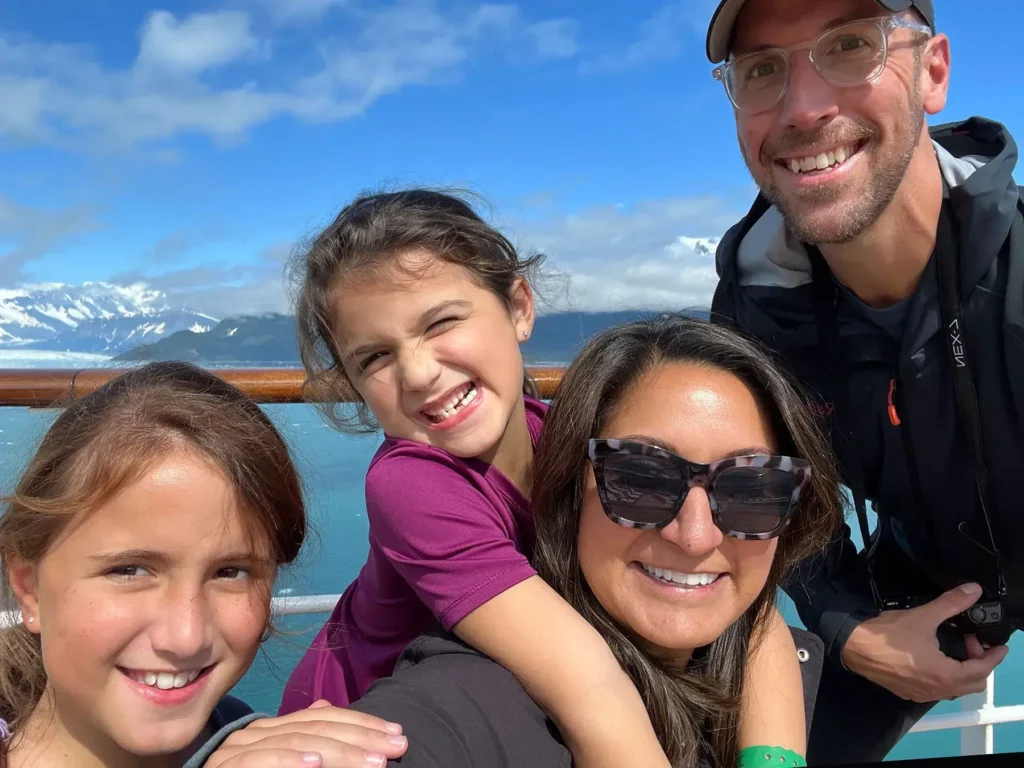
Paul Werdel and Amna Nawaz married in 2007, forming a partnership rooted in shared values, respect, and dedication to journalism. Their marriage is a blend of cultures, experiences, and professional ambitions — a dynamic that enriches both their family and public lives. Together, they have two daughters and live in Washington, D.C., where they balance demanding careers with parenting and community involvement.
Despite Nawaz’s public profile, Werdel maintains a private personal life. He seldom appears in interviews or on social media, choosing instead to focus on family, personal growth, and selective professional engagements. This intentional privacy allows their children to grow outside of the spotlight and supports a grounded family environment even amid professional prominence.
Their partnership is often noted as a positive example of mutual support, shared responsibility, and modern family dynamics — where caregiving and career are balanced with respect, flexibility, and long‑term commitment.
Legacy and Influence in Media and Family Dynamics
Paul Werdel’s legacy is multifaceted. Professionally, he helped shape how newsrooms adapt to digital change, blending editorial integrity with technology. Media organizations now increasingly value professionals who can bridge newsroom values with user experience — a role Werdel helped pioneer. His work with platforms like The New York Times stands as a testament to this transformative approach.
His personal choice to prioritize family at the peak of his career reflects broader shifts in societal expectations around gender roles and parenting. Werdel’s decision resonates deeply with discussions about equitable caregiving, career reimagining, and purposeful life decisions — illustrating that influence extends far beyond headlines.
In a media world that often rewards visibility, Werdel’s story is a reminder that impact often happens beyond the spotlight — in strategic decisions, quiet leadership, and the courage to define success on one’s own terms.
Conclusion: Paul Werdel’s Quiet but Powerful Narrative
Paul Werdel may not be widely recognized by the general public, but his contributions to journalism and media innovation are significant. From broadcast newsrooms to digital frontiers, from editorial leadership to intentional fatherhood, his journey encompasses a rare blend of professional excellence and personal conviction.
Werdel’s story challenges us to rethink what influence looks like in the modern world — not always loud, never self‑promoting, but deeply meaningful. His choices reflect a nuanced understanding of purpose, partnership, and the evolving landscape of news media and family life.

